Transparency
Clients should have a clear view of scope, priorities, progress, and the next steps throughout the engagement.

Successful technology projects begin with understanding the business behind the technology.
Clients should have a clear view of scope, priorities, progress, and the next steps throughout the engagement.
We work with clients to understand requirements, exchange ideas, review progress, and decide together.
Technology decisions should support business objectives. We understand the problem before choosing how to solve it.
Testing, validation, performance, and security sit inside the development lifecycle, not after it.
Requirements can evolve. The approach can adapt when priorities, requirements, or market conditions change.
The relationship does not have to end at launch. Maintenance, optimization, and support help the product evolve.
We discuss your goals, challenges, target users, existing systems, expected outcomes, and project requirements.
The team evaluates the requirement and discusses possible approaches, technical considerations, priorities, and opportunities.
We define the project scope, priorities, technology direction, deliverables, and expected timeline.
Once the requirements and scope are clear, we establish the engagement model and move toward execution.
Good development starts before the first line of code.
Understanding the business problem, users, existing systems, and technical requirements reduces uncertainty and creates a stronger foundation for development.

We examine the business objective, users, workflows, challenges, and expected outcomes.
We review existing applications, systems, infrastructure, integrations, data, and technical requirements where they apply.
We evaluate possible approaches and define a practical solution direction based on the project.
We select technologies and architecture for the project’s functionality, scalability, security, integration, and maintenance needs.
We organize priorities and define a practical path from the first requirements through development and launch.
We finalize business requirements, user expectations, technical requirements, scope, and priorities.
We establish the development approach, technology direction, architecture requirements, milestones, and delivery plan.
We define the system architecture and the user experience, interface, technical design, and solution structure.
Engineering teams build the solution using technologies appropriate to the project.
We validate functionality, usability, compatibility, performance, security, integrations, and other quality requirements.
We prepare the solution for deployment and support the transition into its production environment.
After launch we can provide maintenance, monitoring, optimization, issue resolution, security updates, and further enhancements.
Keep stakeholders informed about progress, priorities, and upcoming activities.
Review deliverables and incorporate relevant feedback throughout the project.
Discuss technical decisions, requirements, changes, risks, and dependencies in plain terms.
Important product and technology decisions are discussed with the client, not made in isolation.
Clear scope creates realistic expectations before development begins. We work with clients to understand requirements, define priorities, establish deliverables, and choose the development approach.
The objective is a practical project direction before execution starts.
Discuss Your Project ScopeFunctional, usability, compatibility, regression, performance, API, mobile, web, and other project-specific testing.
Security across applications, APIs, authentication, access control, data, and integrations.
Security for cloud infrastructure, workloads, identity, networks, and data.
Security can be built into development and DevOps workflows so issues are found earlier.
Testing and validation continue through development, not only at the final stage.
Suitable when requirements, deliverables, and project scope are clearly defined.
Suitable when a business needs an ongoing team on a product or a long-term project.
Suitable when requirements may evolve and development needs to stay flexible.
Suitable when a business needs ongoing technology management, maintenance, support, monitoring, or operations.
We do not choose technology simply because it is popular. The technology and architecture should support the actual requirements of the product and the business.
Selection can consider scalability, performance, security, integrations, data, development requirements, and long-term maintenance.
Addressing issues identified after deployment.
Monitoring and improving application or infrastructure performance.
Supporting security updates and relevant application or dependency concerns.
Maintaining compatibility as operating systems, platforms, and third-party technologies evolve.
Adding or improving functionality as business requirements change.
Supporting production environments through monitoring and operational assistance.
We aim to build relationships that continue beyond a single development milestone.
As a business grows, its technology requirements change. Applications need improvements, infrastructure evolves, new integrations become necessary, and users expect better experiences.
Ongoing support lets us keep working with clients as their products and technology environments evolve.
Build With MyCloudPulse
How a project starts, how scope changes, and what support looks like after launch.
Start Your ProjectProjects typically begin with a discussion about your business objectives, challenges, users, existing systems, and technology requirements. We then work toward defining the appropriate scope and approach.
Yes. Understanding the business and technical requirements is an important part of determining the right solution and development approach.
We consider business requirements, functionality, technical complexity, integrations, priorities, testing requirements, and other project-specific factors.
Yes. Requirements can evolve as businesses, users, or market conditions change. Changes should be reviewed for their impact on scope, timeline, cost, and technical implementation.
Communication can include project updates, reviews, discussions, feedback cycles, and other collaboration methods appropriate to the engagement.
Quality is addressed throughout the development lifecycle through testing and validation appropriate to the product and its requirements.
Yes. Security considerations can be incorporated across application development, APIs, authentication, access control, data, infrastructure, integrations, and deployment depending on the project.
Engagement can be structured around fixed-price projects, dedicated development teams, time-and-material arrangements, managed services, or other approaches based on project requirements.
Yes. Support can include maintenance, bug fixes, performance optimization, security updates, monitoring, compatibility updates, and feature enhancements.
Yes. Existing applications can be supported through maintenance, modernization, optimization, cloud migration, security, integration, and other relevant technology services.
Let’s discuss your requirements and find a practical way to move the project forward.
Discover what our clients have to say about working with MyCloudPulse and how our teams helped turn their digital ideas into reliable, scalable products.
“CloudPulse helped us define key features, platform vision, and user experience goals. They suggested the best technologies and development roadmap for the platform. CloudPulse's developers built the core features while QA tested for smooth performance.”

“The scope of work involved designing a mobile application for digital wallet payments, featuring an intuitive interface for transferring funds, checking transaction history, and securely managing payment methods. Key deliverables included a fully functional app on both iOS and Android platforms.”
“The team's manager deep dives into the spec and logic in order to understand the context and not just the need. This leads to better communication and better performance. Personal relationship - good and clean communication.”

“CloudPulse successfully developed a mobile app with e-commerce functionality that seamlessly connects to our current e-commerce web system. The application, built using Google's Flutter framework, ensures high performance on both iOS and Android platforms.”

“We returned to have them oversee and create the production version after they perfected it. They have a really talented, reliable, and fierce crew! The project was done and planned with great care, and they were able to be adaptable while meeting all deadlines.”
“CloudPulse successfully completed the project smoothly. We seamlessly incorporated every suggestion into the next revision. I wholeheartedly recommend CloudPulse to anyone in need of both iPad, iOS and Android app. Thank you once again!”

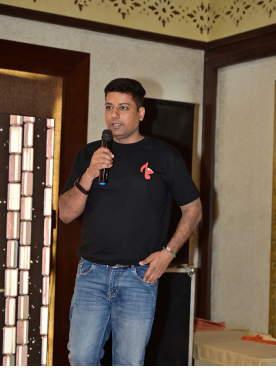
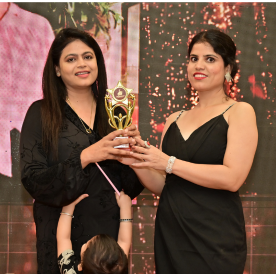
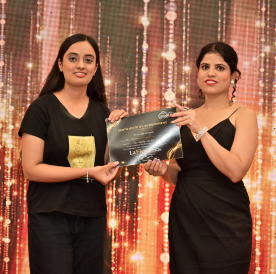
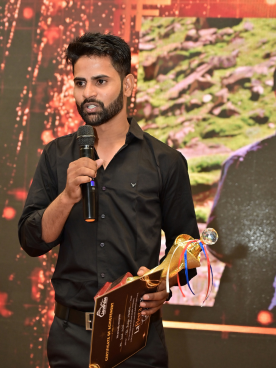
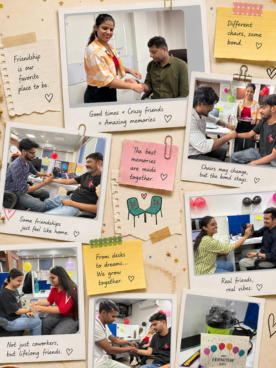
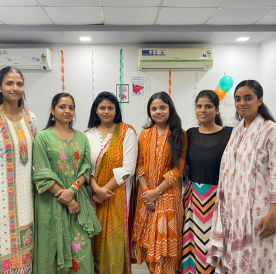
“ A Milestone Achieved, and Many More to Follow... ”
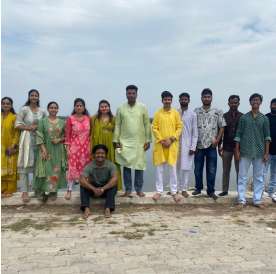
“ A Milestone Achieved, and Many More to Follow... ”