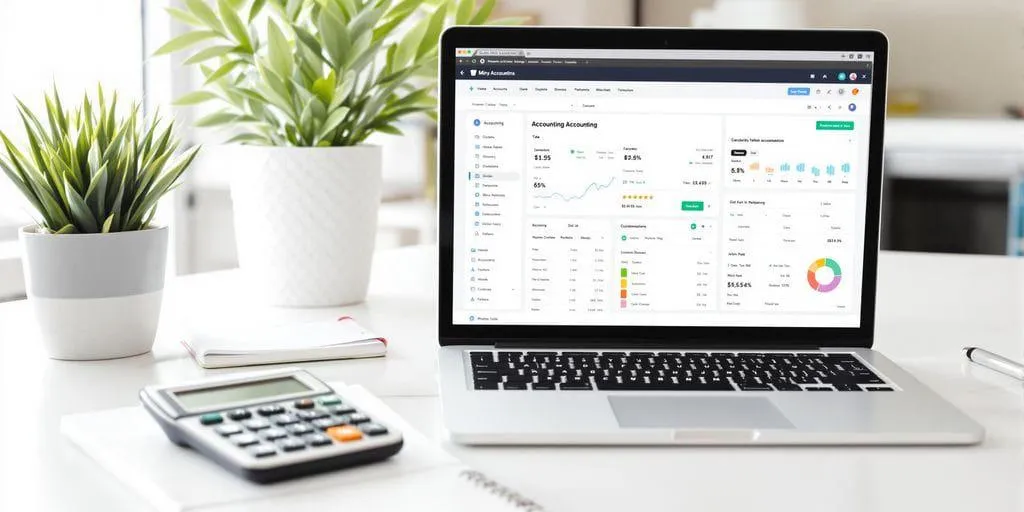
Ledgora
Challenge
Finance closed the month from three spreadsheets that never matched the warehouse.
Solution
Ledgora posts stock and invoices to the same ledger so close uses one set of numbers.

MyCloudPulse builds ERP platforms that connect finance, inventory, sales, HR, and operations in one system. We help manufacturers, distributors, and growing businesses replace scattered tools with a practical first release they can actually run.
Tell us your erp goals and first release.








MyCloudPulse develops ERP applications for teams that need one place for orders, stock, invoices, and approvals. We start with the workflows that slow you down today, then shape modules around finance, inventory, procurement, and reporting.
The first version can include role-based access, dashboards, and the integrations you already depend on. We leave room to add plants, warehouses, and extra modules as the business grows.

From the portfolio
Explore ERP products we have shaped for finance, inventory, and operations. Each example shows how teams share one record instead of three files.
View Our WorkFinance closed the month from three spreadsheets that never matched the warehouse.
Ledgora posts stock and invoices to the same ledger so close uses one set of numbers.
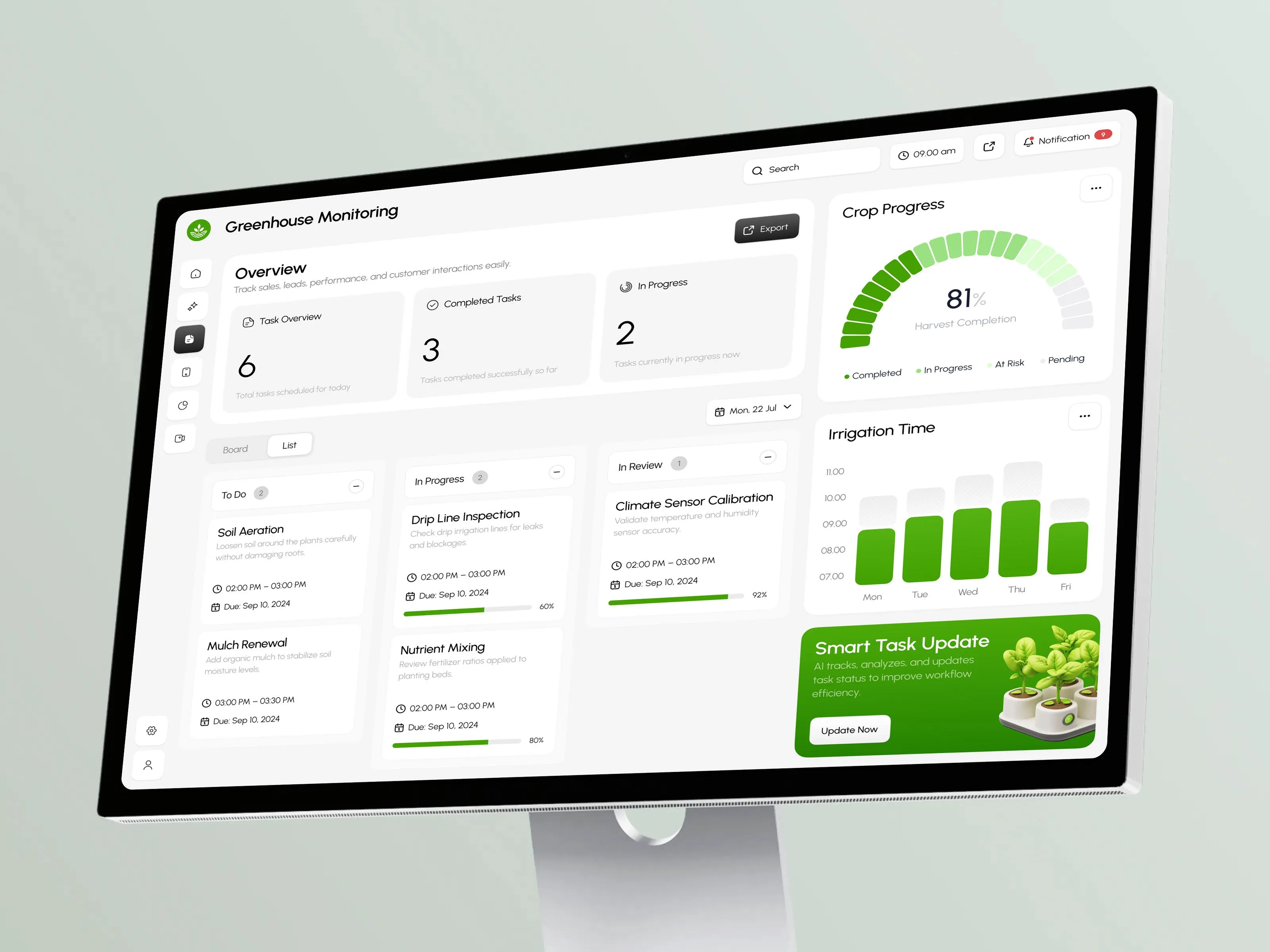
A manufacturer ran work orders on paper while stores used a separate stock file.
PlantNest connects materials, work orders, and receipts so production sees what is actually on hand.
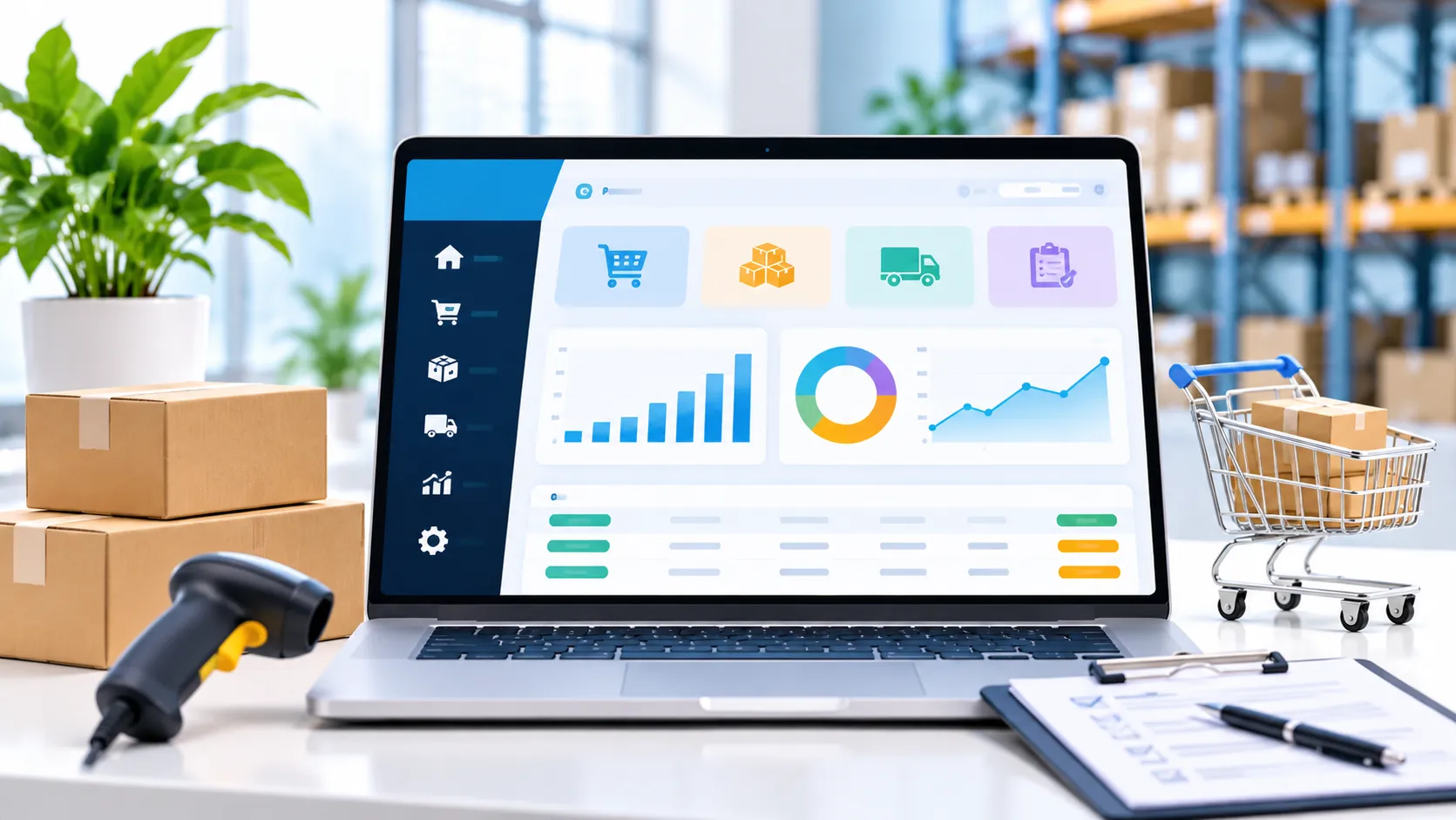
Buyers emailed POs and then asked vendors for status in a second thread.
ProcureCast keeps PO, GRN, and bill on one timeline the buyer and vendor can both open.
Use our ERP development services to move from disconnected spreadsheets to a system your teams can share.
Map processes, modules, and a first-release scope before choosing architecture and integrations.
Build finance, inventory, sales, and operations modules around your rules instead of forcing a generic pack.
Design desks, approvals, and dashboards that staff can finish without extra training sessions.
Connect accounting, CRM, WMS, payroll, and banking tools when access and data formats allow.
Replace legacy screens and batch jobs with a current web and mobile experience.
Keep the system current with patches, new modules, and help after go-live.
Every business needs a different mix of modules. We shape the product around your industry and first release.
Plan materials, work orders, and shop-floor status so production and stores share one view.
Track purchase orders, warehouses, and deliveries for multi-location distributors.
Handle invoices, ledgers, tax, and approvals with a clear audit trail.
Connect people, attendance, and payouts to the same employee record.
See stock, batches, and reorders without a separate spreadsheet for each store.
Follow budgets, timesheets, and billing for services and project teams.
Add practical AI on top of clean records so planners get signals, not another dashboard nobody opens.
Flag SKUs that will run short based on sales and lead times.
Surface mismatched bills so finance reviews the exceptions first.
Group similar requests so managers clear routine work faster.
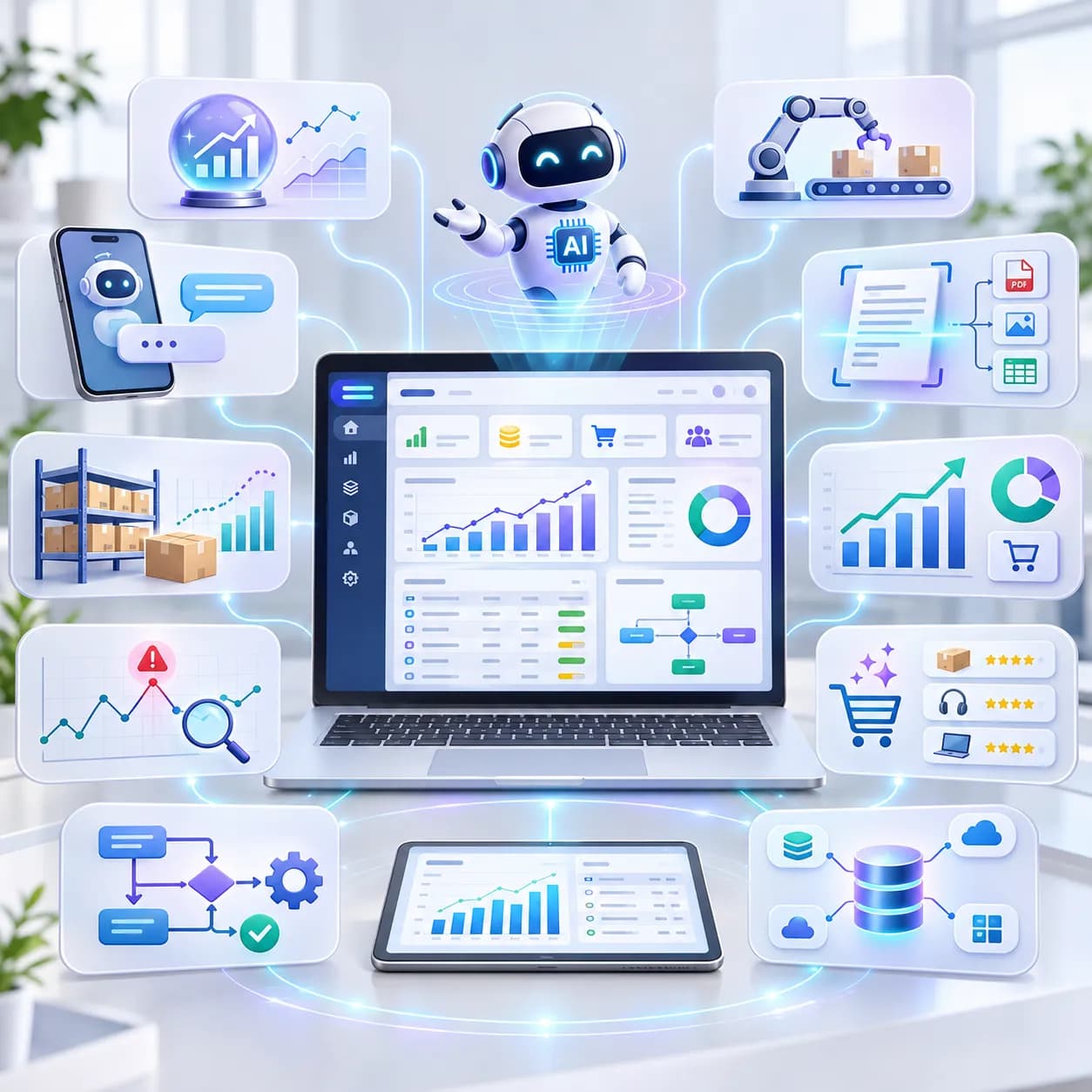
Suggest purchase or production quantities from recent history.
Highlight unusual costs, delays, or stock moves before month-end.
An ERP needs more than a ledger. The right modules keep finance, ops, and stores on the same record.

Give warehouse and floor teams the tasks they can complete on a phone or desktop.
A custom ERP is a way to own your processes instead of bending the business around a generic suite.
Orders, stock, and invoices live in the same system so teams stop reconciling three files.
Finance can close periods with fewer manual journals and email trails.
See what is on hand, in transit, and committed before you buy or promise.
Staff only see the screens they need, with an audit trail for approvals.
Add locations and modules without rebuilding the core ledgers.
Leaders get reports from live data instead of last week’s export.
ERP platforms can hold personal, commercial, and operational information. We plan protection across user accounts, applications, APIs, integrations, and the underlying infrastructure.
Our approach includes secure authentication, role-based access, encrypted communication, protected storage, access logging, and security testing. Specific privacy and industry requirements are established during discovery.
The architecture is planned around expected usage and growth in users, records, transactions, and connected systems. Performance requirements and recovery needs guide infrastructure and deployment decisions.

We pick a stack that can hold financial records, grow with extra modules, and stay maintainable.
 Flutter
 React NativeReact
 Next.js
 Angular
 Node.js
 Python
 Java
 PostgreSQL
 MySQL
 MongoDB
 AWS
 Microsoft Azure
 Google Cloud
 DASH
We review your finance, inventory, sales, procurement, and operations workflows, existing systems, target users, and success measures, then define priorities and a practical delivery roadmap.
We design clear journeys and interfaces for the platform’s user groups, using prototypes to review key actions, information needs, and access controls.
Our team develops the agreed applications, business workflows, backend services, dashboards, and integrations, with reviews throughout implementation.
We test masters, postings, stock moves, approvals, reports, and integrations before release.
We prepare the release for the selected environments, validate configuration and data handling, and support deployment of the agreed product scope.
After launch, support can include bug fixes, compatibility updates, security improvements, integration maintenance, performance optimization, and further feature development.
ERP is useful beyond large enterprises. We help teams that need shared records and clear approvals.
We build around your finance, inventory, sales, procurement, and operations workflows, connecting product decisions to the work your users need to complete.
We plan for growing usage, additional integrations, and evolving workflows so the product can develop alongside your business.
Our services connect discovery, design, development, testing, deployment, and ongoing improvements within a coordinated product lifecycle.
We consider the existing systems, data dependencies, and operational constraints that shape a useful erp platform.
We tailor interfaces and workflows to your user groups, giving each role clear information and practical tools for everyday tasks.


It is the work of building a system that connects finance, inventory, sales, and operations so teams share one record instead of separate tools.
Cost depends on modules, locations, integrations, and how much data you need to migrate. A focused first release is smaller than a full suite.
A first version can take a few months. Extra plants, payroll, and deep accounting usually extend the timeline.
Yes, when APIs, file formats, and permissions allow. We review those dependencies before committing to the integration scope.
Yes. Support can include fixes, new modules, user training help, and upgrades as the business grows.
Discover what our clients have to say about working with MyCloudPulse and how our teams helped turn their digital ideas into reliable, scalable products.
“We returned to have them oversee and create the production version after they perfected it. They have a really talented, reliable, and fierce crew! The project was done and planned with great care, and they were able to be adaptable while meeting all deadlines.”

“CloudPulse successfully completed the project smoothly. We seamlessly incorporated every suggestion into the next revision. I wholeheartedly recommend CloudPulse to anyone in need of both iPad, iOS and Android app. Thank you once again!”

“CloudPulse helped us define key features, platform vision, and user experience goals. They suggested the best technologies and development roadmap for the platform. CloudPulse's developers built the core features while QA tested for smooth performance.”
“The team's manager deep dives into the spec and logic in order to understand the context and not just the need. This leads to better communication and better performance. Personal relationship - good and clean communication.”

“CloudPulse successfully developed a mobile app with e-commerce functionality that seamlessly connects to our current e-commerce web system. The application, built using Google's Flutter framework, ensures high performance on both iOS and Android platforms.”

“The scope of work involved designing a mobile application for digital wallet payments, featuring an intuitive interface for transferring funds, checking transaction history, and securely managing payment methods. Key deliverables included a fully functional app on both iOS and Android platforms.”