The iOS ecosystem continues to dominate the premium segment of the mobile app market, making it a top priority for businesses targeting high-value users. With Apple devices known for their performance, security, and user experience, companies are increasingly investing in iOS app development to build reliable and scalable digital products. As a result, the demand to hire iOS developers UK has grown significantly, as businesses seek skilled professionals who can deliver high-quality, feature-rich applications tailored to modern user expectations.
The United Kingdom has emerged as a global hub for mobile app development, offering access to highly skilled iOS developers, strong technical expertise, and a mature digital infrastructure. From startups to enterprises, businesses prefer hiring iOS developers in the UK due to their experience in delivering high-quality applications aligned with Apple’s strict standards.
However, hiring the right iOS developer is not just about technical skills—it involves evaluating experience, understanding cost structures, choosing the right hiring model, and ensuring long-term scalability. This guide covers everything you need to know about hiring iOS app developers in the UK, including market trends, features, development process, cost, and best practices.
Market Stats
The UK tech ecosystem is one of the most advanced in Europe, with mobile app development playing a crucial role in digital transformation.
📊iOS Developer Demand in the UK
- The UK is home to thousands of tech companies and startups, creating a high demand for skilled iOS developers.
- iOS developers are among the top in-demand roles in the UK tech job market.
- London, Manchester, and Birmingham are key tech hubs for mobile app development.
💰 Salary & Hiring Costs
- Average iOS developer salary: £50,000 – £70,000/year
- Senior developers: £80,000 – £110,000+
- Freelancers:
- Junior: £250–£400/day
- Mid-level: £400–£650/day
- Senior: £650–£950+/day
📈 Market Growth
- The UK app development market is growing at a steady pace due to:
- Increasing smartphone usage
- Growth in fintech, healthcare, and eCommerce apps
- Rising demand for premium user experiences
🌍 Global Trends
- iOS users contribute significantly to higher app revenue compared to Android
- Subscription-based apps are growing rapidly in the Apple ecosystem
- Demand for Swift, SwiftUI, and AI integration is increasing
Core Features of Hire iOS Developers UK
When hiring iOS app developers in the UK, one of the most important factors to evaluate is their ability to build robust, user-friendly, and high-performance core features. These foundational features define the app’s usability, reliability, and overall user experience. A strong core feature set ensures that your app meets Apple’s standards while delivering seamless performance across devices.
Below are the essential core features every successful iOS application should include:
📱User-Friendly Interface (UI/UX Excellence)
Apple users expect a premium, intuitive, and visually appealing experience, making UI/UX one of the most critical aspects of iOS development.
Key functionalities:
- Clean, minimalistic design aligned with Apple Human Interface Guidelines
- Smooth navigation with clear user flows
- Consistent design elements (colors, typography, icons)
- Gesture-based interactions (swipe, tap, pinch)
Benefits:
- Enhances user engagement
- Reduces learning curve
- Improves app ratings and retention
🔐 Secure Authentication & User Management
Security is a top priority in iOS applications, especially for apps handling personal or financial data.
Key functionalities:
- Email, phone, and social media login
- Biometric authentication (Face ID, Touch ID)
- Multi-factor authentication (MFA)
- Secure password management and encryption
Benefits:
- Protects user data
- Builds trust and credibility
- Ensures compliance with security standards
⚡ High Performance & Speed Optimization
Performance is a key differentiator in iOS apps, as users expect fast and smooth experiences.
Key functionalities:
- Fast app loading time
- Smooth animations and transitions
- Efficient memory and battery usage
- Optimized backend communication
Benefits:
- Reduces app crashes and lag
- Improves user satisfaction
- Enhances App Store rankings
🔔 Push Notifications & Real-Time Alerts
Push notifications are essential for keeping users engaged and informed.
Key functionalities:
- Real-time alerts for updates, offers, and activities
- Personalized notifications based on user behavior
- Scheduled and automated notifications
- Deep linking to specific app sections
Benefits:
- Increases user engagement
- Improves retention rates
- Drives conversions and sales
💳 Payment Integration & Transactions
For apps offering products or services, seamless payment functionality is critical.
Key functionalities:
- Apple Pay integration
- Secure payment gateways
- Subscription and billing management
- In-app purchases (IAP)
Benefits:
- Provides a smooth checkout experience
- Ensures secure transactions
- Boosts revenue opportunities
📊 Analytics & Performance Tracking
Data-driven decision-making is essential for app growth and optimization.
Key functionalities:
- User behavior tracking (sessions, clicks, retention)
- Real-time performance monitoring
- Conversion and engagement analytics
- Integration with tools like Firebase, Mixpanel
Benefits:
- Helps improve user experience
- Identifies growth opportunities
- Supports business decision-making
🔍 Search & Navigation System
A strong search and navigation system enhances usability, especially in content-heavy apps.
Key functionalities:
- Advanced search filters
- Predictive search and auto-suggestions
- Category-based navigation
- Voice search (optional)
Benefits:
- Improves content discoverability
- Enhances user experience
- Saves user time
🌐 API Integration & Third-Party Services
Modern iOS apps rely on multiple integrations to enhance functionality.
Key functionalities:
- Integration with third-party APIs (payment, maps, social media)
- Seamless data exchange between systems
- Cloud-based services integration
Benefits:
- Expands app capabilities
- Reduces development time
- Improves scalability
☁️ Cloud Storage & Data Sync
Cloud integration ensures seamless data access across devices.
Key functionalities:
- Real-time data synchronization
- Secure cloud storage
- Backup and recovery options
Benefits:
- Enhances user convenience
- Ensures data safety
- Supports multi-device usage
📱 Multi-Device Compatibility
iOS apps must work seamlessly across Apple devices.
Key functionalities:
- Compatibility with iPhone, iPad, and Apple Watch
- Responsive layouts for different screen sizes
- Integration with Apple ecosystem features
Benefits:
- Expands user reach
- Provides consistent experience
- Improves usability across devices
🎯 Final Insight
Core features are the foundation of any successful iOS application. When hiring iOS app developers in the UK, it’s essential to ensure they have the expertise to build these features efficiently while maintaining high performance, security, and scalability.
A well-built core feature set not only enhances user experience but also lays the groundwork for adding advanced functionalities in the future. Investing in strong fundamentals ensures your app is reliable, competitive, and ready for long-term growth in 2026 and beyond.
Advanced Features of Hire iOS Developers UK
To stay competitive in today’s fast-evolving mobile landscape, iOS apps must go beyond basic functionality and incorporate advanced, innovative features that enhance user experience, improve performance, and ensure scalability. These features not only help attract users but also play a crucial role in increasing engagement, retention, and overall business growth.
🤖 AI & Machine Learning
Artificial Intelligence (AI) and Machine Learning (ML) are transforming how iOS apps interact with users by delivering smarter and more personalized experiences.
Key capabilities:
- Personalized recommendations based on user behavior and preferences
- Predictive analytics to forecast user needs and trends
- Smart automation for tasks like chatbots, customer support, and content suggestions
Benefits:
AI-driven features improve user engagement, enhance decision-making, and create highly tailored experiences that keep users coming back.
📡Real-Time Functionality
Modern users expect instant responses and live updates within applications.
Key capabilities:
- Live chat and instant messaging
- Real-time notifications and activity feeds
- GPS-based location tracking and updates
Benefits:
Real-time features improve responsiveness, enable seamless communication, and enhance user interaction, especially in apps like eCommerce, ride-hailing, and social platforms.
🧠 Augmented Reality (AR)
Augmented Reality adds an immersive layer to digital experiences, making apps more interactive and engaging.
Key capabilities:
- ARKit integration for building AR-powered features
- Virtual product try-ons and 3D visualization
- Interactive gaming and educational experiences
Benefits:
AR enhances user engagement, provides unique experiences, and helps businesses stand out in competitive markets.
☁️Cloud Integration
Cloud technology is essential for building scalable and high-performance iOS applications.
Key capabilities:
- Real-time data synchronization across devices
- Scalable cloud storage for handling large data volumes
- Secure data backup and recovery
Benefits:
Cloud integration ensures reliability, improves app performance, and allows users to access their data anytime, anywhere.
🗣️ Voice Integration
Voice-enabled features are becoming increasingly popular due to their convenience and accessibility.
Key capabilities:
- Siri integration for seamless voice interactions
- Voice commands for navigation and task execution
- Hands-free app usage
Benefits:
Voice integration enhances accessibility, improves user convenience, and aligns with the growing trend of voice-first technology.
🔐 Advanced Security
With increasing concerns around data privacy, robust security features are essential for any iOS app.
Key capabilities:
- End-to-end encryption for secure data transmission
- Fraud detection systems to prevent unauthorized activities
- Secure APIs and authentication mechanisms
Benefits:
Strong security measures build user trust, protect sensitive information, and ensure compliance with global data protection standards.
🎯Final Insight
Advanced features are what elevate an iOS app from a basic application to a high-performing, intelligent, and future-ready platform. By integrating technologies like AI, AR, real-time capabilities, and cloud computing, businesses can deliver exceptional user experiences and maintain a competitive edge in 2026.
Development Process of Hire iOS Developers UK
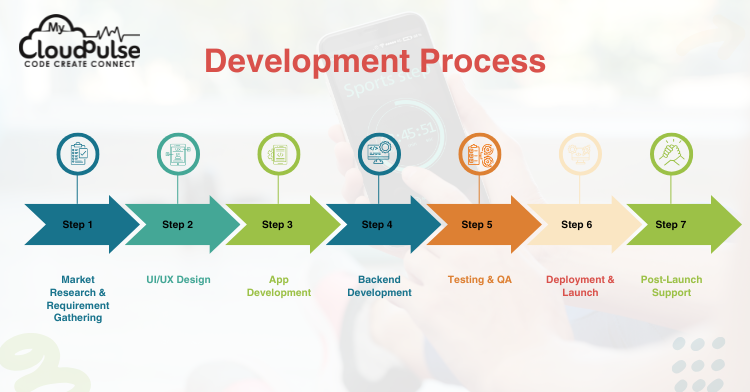
Developing a successful iOS application requires a structured, strategic, and iterative approach. When hiring iOS app developers in the UK, understanding the complete development lifecycle helps ensure transparency, better collaboration, and high-quality results. From initial idea validation to post-launch optimization, each phase plays a critical role in delivering a scalable and user-friendly app.
Below is a comprehensive breakdown of the iOS app development process in 2026
🔍 Phase 1: Requirement Analysis & Discovery
This is the foundation of the entire project. A clear understanding of business goals and user needs ensures that development starts in the right direction.
Key activities:
- Define app objectives and target audience
- Identify core features and functionalities
- Conduct market research and competitor analysis
- Define Unique Selling Proposition (USP)
- Create a project roadmap and timeline
Deliverables:
- Product requirement document (PRD)
- Feature list and scope definition
Why it matters:
A well-defined scope prevents costly changes later and aligns the team with business goals.
🧩 Phase 2: MVP Planning & Feature Prioritization
Instead of building a full-featured app initially, businesses often start with a Minimum Viable Product (MVP).
Key activities:
- Identify essential features for launch
- Prioritize features using frameworks (MoSCoW method)
- Define development milestones
- Estimate budget and resources
MVP Goal:
- Launch quickly
- Validate the idea with real users
- Gather feedback for future iterations
Why it matters:
Reduces risk and ensures faster time-to-market.
🎨 Phase 3: UI/UX Design (User-Centric Approach)
Design plays a critical role in iOS apps, as Apple users expect a premium experience.
Key activities:
- Create wireframes and user journeys
- Design high-fidelity UI screens
- Build interactive prototypes (Figma, Adobe XD)
- Follow Apple Human Interface Guidelines
Best practices:
- Minimalistic and clean design
- Smooth navigation and transitions
- Consistent visual elements
Why it matters:
A great design improves user engagement, retention, and app store ratings.
⚙️ Phase 4: Hire iOS Developers UK
Choosing the right technologies ensures scalability, performance, and future growth.
Frontend (iOS):
- Swift, SwiftUI, UIKit
Backend:
- Node.js, Django, Laravel
Database:
- Firebase, MongoDB, PostgreSQL
Cloud & Tools:
- AWS, Google Cloud, Azure
- Xcode (development environment)
Why it matters:
The right tech stack ensures smooth performance and easier maintenance.
💻 Phase 5: App Development (Frontend & Backend)
This is where the actual coding and implementation take place.
📱 Frontend Development
- Build user interface components
- Implement animations and transitions
- Integrate APIs
- Ensure responsiveness across devices
⚙️ Backend Development
- Develop APIs and server-side logic
- Manage databases and data storage
- Implement authentication and security
- Handle real-time functionalities
🛠️ Admin Panel Development
- Manage users and content
- Monitor analytics
- Control app settings
Why it matters:
A strong development phase ensures the app is functional, scalable, and secure.
🔗 Phase 6: Third-Party Integrations
Integrations enhance app functionality and reduce development time.
Common integrations:
- Payment gateways (Apple Pay, Stripe)
- Push notifications (Firebase)
- Analytics tools (Google Analytics, Mixpanel)
- Social media login
- Maps and location services
Why it matters:
Adds essential features quickly and improves user experience.
🧪 Phase 7: Testing & Quality Assurance
Testing ensures the app performs flawlessly across devices and conditions.
Types of testing:
- Functional testing (features and workflows)
- Performance testing (speed and responsiveness)
- Security testing (data protection)
- Usability testing (user experience)
- Device compatibility testing
Special focus:
- App crashes and bugs
- UI consistency
- Load handling
Why it matters:
Even minor bugs can negatively impact user reviews and retention.
🚀 Phase 8: App Store Deployment
Once the app is tested, it’s ready for launch on the Apple App Store.
Steps:
- Prepare app listing (title, description, screenshots)
- Ensure compliance with Apple App Store guidelines
- Submit for review
- Fix any rejection issues
Why it matters:
Apple has strict guidelines, and proper submission ensures faster approval.
📈 Phase 9: Post-Launch Monitoring & Optimization
Launching the app is just the beginning. Continuous improvement is key to long-term success.
Key activities:
- Monitor user behavior and engagement
- Track KPIs (downloads, retention, churn rate)
- Fix bugs and release updates
- Optimize performance and features
- Add new features based on feedback
Why it matters:
Ensures the app remains competitive and user-friendly.
🔄 Phase 10: Scaling & Future Enhancements
As your app grows, scalability becomes crucial.
Key activities:
- Upgrade infrastructure
- Add advanced features (AI, AR, automation)
- Expand to global markets
- Improve monetization strategies
Why it matters:
Supports long-term growth and business expansion.
🎯 Final Insight
The iOS app development process is not just about coding—it’s a strategic journey that involves planning, design, development, testing, and continuous improvement. Hiring experienced iOS developers in the UK ensures that each phase is executed efficiently, resulting in a high-quality, scalable, and user-centric application.
A well-structured development process reduces risks, optimizes costs, and significantly increases the chances of building a successful iOS app in 2026.
Hire iOS Developers UK
Building a successful iOS application requires more than just hiring a single developer—it demands a well-structured, collaborative team with expertise across design, development, testing, and deployment. Whether you’re developing a simple MVP or a complex enterprise-grade application, the right team structure ensures efficiency, scalability, and high-quality output.
In the UK, where development standards are high and competition is intense, assembling a skilled team is critical to delivering a premium iOS experience that aligns with Apple’s ecosystem.
👨💼 1. Product Manager (Vision & Strategy Leader)
The Product Manager (PM) is responsible for defining the overall vision and ensuring that the app aligns with business objectives.
Key responsibilities:
- Define product roadmap and strategy
- Prioritize features based on user needs
- Coordinate between stakeholders and development team
- Monitor KPIs such as user engagement and retention
- Ensure timely delivery of milestones
Why it matters:
The PM ensures that the product delivers real value and stays aligned with market demands.
📊 2. Business Analyst (Requirement Specialist)
The Business Analyst translates business ideas into clear technical requirements.
Key responsibilities:
- Conduct market and competitor research
- Define project scope and requirements
- Create user stories and workflows
- Identify risks and opportunities
- Support decision-making with data insights
Why it matters:
Prevents miscommunication and ensures smooth project execution.
🎨 3. UI/UX Designer (User Experience Creator)
UI/UX designers play a crucial role in shaping how users interact with your app.
Key responsibilities:
- Design intuitive and visually appealing interfaces
- Create wireframes, prototypes, and user flows
- Ensure compliance with Apple Human Interface Guidelines
- Optimize usability and accessibility
Why it matters:
A well-designed interface improves user engagement and app retention.
💻4. Hire iOS Developers UK

iOS developers are responsible for building the application using Apple technologies.
Key responsibilities:
- Develop apps using Swift, SwiftUI, and UIKit
- Integrate APIs and third-party services
- Optimize app performance and responsiveness
- Ensure compatibility across Apple devices
Why it matters:
They are the backbone of the app, turning ideas into functional products.
⚙️ 5. Backend Developers (System Architects)
Backend developers manage server-side logic, databases, and APIs.
Key responsibilities:
- Develop and maintain APIs
- Handle data storage and processing
- Implement authentication and security
- Ensure scalability and performance
Technologies:
- Node.js, Django, Laravel
- MongoDB, PostgreSQL
Why it matters:
A strong backend ensures seamless app functionality and scalability.
☁️ 6. DevOps Engineer (Infrastructure & Deployment Expert)
DevOps engineers ensure smooth deployment and system reliability.
Key responsibilities:
- Set up cloud infrastructure (AWS, Azure, GCP)
- Manage CI/CD pipelines
- Monitor system performance and uptime
- Handle app deployment and updates
Why it matters:
Ensures the app runs efficiently and scales with user growth.
🧪 7. QA Engineer (Quality Assurance Specialist)
QA engineers are responsible for testing and ensuring app quality.
Key responsibilities:
- Perform functional and performance testing
- Identify bugs and usability issues
- Ensure compatibility across devices
- Test app stability under load
Why it matters:
Ensures a smooth and bug-free user experience.
🔐 8. Security Specialist (Data Protection Expert)
Security is critical, especially for apps handling sensitive data.
Key responsibilities:
- Implement data encryption and secure authentication
- Protect against cyber threats and vulnerabilities
- Ensure compliance with GDPR and other regulations
Why it matters:
Builds user trust and protects sensitive information.
📊 9. Data Analyst (Performance & Insights Expert)
Data analysts help optimize app performance and user engagement.
Key responsibilities:
- Track user behavior and app usage
- Analyze retention and conversion metrics
- Provide insights for feature improvements
Why it matters:
Data-driven decisions improve overall app performance.
📣 10. Marketing & Growth Team
This team ensures the app reaches the right audience and grows effectively.
Key responsibilities:
- App Store Optimization (ASO)
- Digital marketing campaigns
- User acquisition and retention strategies
- Social media and influencer marketing
Why it matters:
Even the best app needs visibility to succeed.
🎧 11. Customer Support Team
Customer support ensures a positive post-launch experience.
Key responsibilities:
- Resolve user issues and queries
- Provide technical support
- Collect feedback for improvements
Why it matters:
Improves customer satisfaction and long-term retention.
👥 Team Structure Based on Project Stage
🚀 MVP Stage (6–8 Members)
- Product Manager
- UI/UX Designer
- 1–2 iOS Developers
- Backend Developer
- QA Engineer
- DevOps (part-time)
📈 Growth Stage (8–12 Members)
- Product Manager
- Business Analyst
- UI/UX Designer
- 2–3 iOS Developers
- Backend Developers
- QA Engineer
- DevOps Engineer
- Data Analyst
🌍 Scale Stage (12–15+ Members)
- Dedicated frontend and backend teams
- Security specialists
- Full marketing and analytics teams
- Advanced DevOps and infrastructure experts
📌 Key Traits of a Strong Team
✔ Strong communication and collaboration
✔ Expertise in iOS ecosystem and Apple guidelines
✔ Agile development approach
✔ Focus on performance and scalability
✔ Continuous learning and innovation
🎯 Final Insight
A well-structured team is the backbone of any successful iOS app project. Hiring iOS developers in the UK gives you access to a highly skilled talent pool, but success depends on assembling the right combination of roles and expertise.
From planning and design to development and post-launch support, each team member plays a critical role in delivering a high-quality, scalable, and user-friendly application. Investing in the right team structure ensures faster development, better performance, and long-term success in the competitive iOS ecosystem.
Monetization Methods of Hire iOS Developers UK
Monetization is a critical aspect of any iOS application, as it directly impacts the app’s profitability and long-term sustainability. In 2026, successful iOS apps no longer rely on a single revenue stream—instead, they adopt a hybrid monetization strategy that combines multiple models to maximize revenue while maintaining a seamless user experience.
Below are the most effective monetization methods for iOS apps:
💰 1. Subscription Model (Recurring Revenue)
The subscription model is one of the most popular and profitable strategies in the iOS ecosystem.
How it works:
Users pay a recurring fee (monthly, quarterly, or yearly) to access premium features or content.
Examples:
- Streaming apps (Netflix, Spotify)
- Fitness and learning apps
- SaaS-based mobile platforms
Benefits:
- Predictable and consistent revenue
- High customer lifetime value (LTV)
- Strong user retention
Best practices:
- Offer multiple pricing tiers
- Provide free trials to attract users
- Deliver continuous value to reduce churn
📦2. Hire iOS Developers UK
This model allows users to access basic features for free while charging for advanced functionalities.
How it works:
- Free version with limited features
- Premium version with enhanced capabilities
Examples:
- Productivity apps
- Gaming apps
- Editing tools
Benefits:
- Easy user acquisition
- Higher conversion potential
- Flexible pricing strategy
💳 3. In-App Purchases (IAP)
In-app purchases allow users to buy digital goods or unlock additional features within the app.
Types of IAPS:
- Consumables (coins, credits, boosts)
- Non-consumables (premium features)
- Subscriptions
Examples:
- Mobile games
- eLearning platforms
- Content-based apps
Benefits:
- Increases average revenue per user (ARPU)
- Offers flexible monetization
- Enhances user experience
📺 4. In-App Advertising
Advertising is a widely used monetization method, especially for free apps.
Ad formats:
- Banner ads
- Interstitial ads
- Rewarded video ads
- Native ads
Benefits:
- Generates revenue without charging users
- Suitable for large user bases
- Easy to implement with ad networks
Best practices:
- Avoid excessive ads
- Use targeted advertising
- Optimize ad placement for better UX
🎯 5. Pay-Per-Download (Paid Apps)
In this model, users pay a one-time fee to download the app.
Benefits:
- Immediate revenue generation
- Simple monetization model
Challenges:
- High competition from free apps
- Requires strong brand value
Best for:
- Niche or high-value apps
- Professional tools
📊 Hybrid Monetization Strategy
Most successful iOS apps combine multiple revenue models:
Example strategy:
- 50–60% subscriptions
- 20–30% ads
- 10–20% in-app purchases & partnerships
This diversified approach ensures stable, scalable, and long-term revenue growth.
⚖️Key Considerations for Monetization
✔ Balance revenue generation with user experience
✔ Avoid aggressive monetization that drives users away
✔ Offer flexible pricing options
✔ Focus on delivering value to justify costs
✔ Use analytics to optimize monetization strategies
🎯 Final Insight
Monetization is not just about generating revenue—it’s about creating a sustainable business model that aligns with user expectations. By combining subscriptions, ads, in-app purchases, and strategic partnerships, businesses can maximize profitability while delivering a seamless and engaging user experience.
A well-planned monetization strategy can turn your iOS app into a high-growth, revenue-generating platform in the competitive mobile ecosystem of 2026.
Conclusion
Hiring iOS app developers in the UK offers businesses access to a highly skilled workforce, advanced technologies, and a strong development ecosystem. However, making the right hiring decision requires a clear understanding of your project requirements, budget, and long-term goals.
By focusing on core and advanced features, following a structured development process, and choosing the right team, businesses can build high-performance iOS applications that deliver exceptional user experiences.
In a competitive digital landscape, investing in the right iOS development team can significantly impact your app’s success and profitability.
FAQs
It ranges from £250/day to £950+/day or £50,000–£200,000 per project.
Swift, SwiftUI, UIKit, API integration, and problem-solving skills.
Typically 3–6 months for an MVP.
Freelancers are cost-effective; agencies provide full-service solutions.
Access to skilled talent, high-quality standards, and strong tech ecosystem.