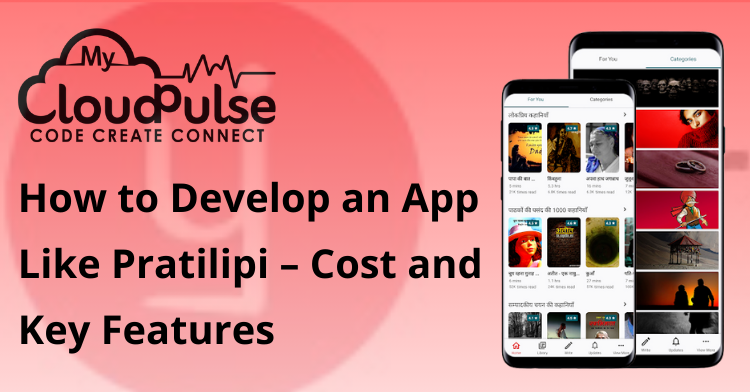
Digital storytelling is undergoing a powerful transformation, especially in markets where regional languages dominate everyday communication. For decades, printed books, magazines, and local publications were the primary source of stories and literature for vernacular audiences. Today, that consumption has rapidly shifted to smartphones, encouraging startups and media companies to Develop an app like Pratilipi that delivers regional stories through accessible, mobile-first digital platforms.
Apps like Pratilipi have played a crucial role in this transition by building a mobile-first platform where users can read and listen to stories in their native languages. Instead of focusing only on English-speaking audiences, Pratilipi unlocked a massive, underserved market by empowering regional readers and writers across India.
What makes Pratilipi particularly interesting is that it is not just a content consumption app. It is a community-driven storytelling ecosystem where writers publish stories, readers engage through likes and comments, and popular content evolves into audiobooks, podcasts, or even screen adaptations.
As a result, many startups, publishers, and media companies are now exploring how to develop an app like Pratilipi. Such a platform combines user-generated content, personalization, creator monetization, and scalable technology to build long-term engagement at relatively low infrastructure costs.
In this blog, we will break down:
- Market opportunity and growth potential
- Core and advanced features of a Pratilipi-like app
- The end-to-end development Process
- Required team structure
- Monetization strategies and cost considerations
- FAQs to help you plan your product effectively
Market Stats: Digital Reading, Audiobooks & Vernacular Content
The success of Pratilipi is rooted in a broader global and regional shift toward digital-first, vernacular content consumption. Reading and audio platforms are benefiting from smartphone penetration, affordable data, and increasing creator participation.
Global Market Value & Growth
- The global digital publishing market is currently valued at USD 45–50 billion (2024) and is expected to grow at a CAGR of 7–9% through 2030.
- The global audiobook market reached USD 6.8 billion in 2023 and is projected to hit USD 35–40 billion by 2030, reflecting a strong 25–27% CAGR.
- The global eBook market is expected to cross USD 22 billion by 2028, driven by mobile reading apps and subscription models.
- Digital reading and audio consumption show a YoY growth rate of 15–20%, particularly in mobile-first regions.
India & Vernacular Content Opportunity
India is the strongest growth engine for platforms like Pratilipi.
- Over 750 million smartphone users
- Internet users consuming vernacular content: 65–70%
- India’s vernacular digital content market is growing at 30–35% CAGR
- Tier-2 and Tier-3 cities account for 55–60% of new app installs
- Audio and reading apps see higher daily retention than video apps in low-bandwidth regions
Future Outlook (YoY Predictions)
- Vernacular digital content consumption is expected to double by 2028
- Paid digital reading and audio subscriptions are growing at 20–25% YoY
- Creator-led storytelling platforms will see 40%+ growth in content supply
These numbers clearly show why businesses are actively investing to develop an app like Pratilipi.
Core Features Develop an App Like Pratilipi
Core features define usability, retention, and scalability. For Pratilipi-like platforms, simplicity and accessibility matter more than flashy visuals.
1. User Onboarding & Authentication
- Email, phone number, and social login
- OTP-based authentication (critical for India)
- Guest browsing with upgrade prompts
2. User Profiles & Preferences
- Personalized profiles
- Language selection (primary + secondary)
- Reading and listening history
- Favorites, bookmarks, and followed authors
3. Multi-Language Reading Library
- Support for multiple Indian and global languages
- Language-specific content feeds
- Separate trending lists per language
4. Rich Reading Experience
- Adjustable font size and line spacing
- Light, dark, and sepia reading modes
- Vertical scroll or page-flip reading
- Distraction-free UI
5. Content Discovery & Search
- Keyword-based search
- Genre, mood, and popularity filters
- Editor-curated collections
- Trending, new, and recommended sections
6. Offline Reading
- Download stories for offline access
- Low-storage optimization
- Smart sync when online
7. Engagement Tools
- Likes, comments, and ratings
- Share stories externally
- Follow writers and receive updates
Advanced Features Develop an app like pratilipi
Advanced features turn a reading app into a content ecosystem.
1. Writer & Creator Dashboard
- In-app writing and publishing tools
- Chapter-wise serialization
- Draft saving and scheduling
- Real-time analytics (reads, likes, earnings)
2. Audio Stories & Audiobooks
- Audio adaptations of popular stories
- Background playback
- Offline audio downloads
- Playback speed control
- Seamless switch between text and audio
3. AI-Based Personalization
- Personalized home feed
- Recommendations based on:
- Reading completion rate
- Genre affinity
- Language behavior
- Reduces content discovery friction
4. Community & Social Features
- Author follow system
- Reader-to-writer interaction
- Comment moderation tools
- Community-driven popularity signals
5. Monetization Controls
- Free vs paid content gating
- Chapter-level access control
- Subscription-based unlocks
- Revenue split dashboards for creators
6. Content Moderation & IP Protection
- Plagiarism detection
- Copyright violation flags
- User reporting system
- Editorial review workflows
Development Process: Step-by-Step
Step 1. Market Research & Product Definition
- Identify target languages and regions
- Define user personas (readers and writers)
- Analyze competitors and monetization models
Step 2. Feature Planning & MVP Scope
- Define must-have features for MVP
- Separate core reading features from advanced creator tools
- Create a phased development roadmap
Step 3. UI/UX Design
- Mobile-first reading experience
- Minimal onboarding friction
- Accessibility-focused typography
- Prototyping and usability testing
Step 4. Backend Development
- User management and authentication
- Content management system (CMS)
- Writer dashboards
- Subscription and payment handling
- Recommendation logic
Step 5. Audio Infrastructure (Optional Phase)
- Cloud storage for audio files
- CDN for fast delivery
- DRM or access control
- Adaptive bitrate for audio streaming
Step 6. Mobile App Development
- Android app (priority for India and emerging markets)
- iOS app
- Offline access optimization
- Performance tuning
Step 7. Testing & QA
- Functional testing
- Performance and load testing
- Offline mode validation
- Device compatibility checks
Step 8. Launch & Iteration
- Soft launch with selected users
- Monitor engagement and retention
- Add features based on real usage data
Required Team Structure
Building a Pratilipi-like platform requires a balanced team across product, technology, and content.
1. Product & Management
- Product Manager
- Project Manager / Scrum Master
2. Design Team
- UI/UX Designer
- UX Researcher (optional)
3. Engineering Team
Backend Developers
- APIs, CMS, subscriptions, analytics
Mobile Developers
- Android developers
- iOS developers
DevOps Engineer
- Cloud infrastructure
- CDN setup
- Monitoring and scalability
4. Data & AI Team
- Data Analyst
- ML Engineer (growth stage)
5. Content & Operations
- Content acquisition managers
- Editor and quality reviewers
- Creator relationship managers
6. Legal & Compliance
- Copyright and IP protection
- Creator agreements
- Licensing management
Typical Team Size
- MVP stage: 10–15 members
- Growth stage: 20–35 members
- Scale stage: 40+ members
Monetization Methods for a Pratilipi-Like App
A successful Pratilipi-like platform uses multiple monetization streams to balance revenue and user experience.
1. Freemium Model
- Free access to basic stories
- Premium stories locked behind paywalls
- Ideal for onboarding new users
2. Subscription Plans
- Monthly and yearly subscriptions
- Unlimited access to premium reading and audio
- Most predictable revenue stream
3. Pay-Per-Chapter / Story
- Microtransactions for popular content
- Works exceptionally well for serialized fiction
- Higher revenue per engaged user
4. Audiobook Monetization
- Separate audio subscription tier
- Pay-per-audiobook purchases
- Bundled text + audio access
5. Creator Revenue Sharing
- Percentage-based earnings
- Incentivizes exclusive content
- Retains top-performing writers
6. Brand & Publisher Partnerships
- Sponsored storytelling
- Educational or cultural content partnerships
- Regional brand integrations
Cost to Develop an App Like Pratilipi
MVP Development Cost
Includes:
- User authentication
- Reading library
- Offline access
- Basic CMS
💰 $25,000 – $50,000
Mid-Scale Platform
Includes:
- Audio stories
- Personalization
- Writer dashboards
- Subscription system
💰 $60,000 – $120,000
Enterprise-Grade Platform
Includes:
- AI recommendations
- Advanced analytics
- Creator monetization tools
- Multi-language scaling
💰 $150,000 – $250,000+
Ongoing Operational Costs
- Cloud hosting & CDN: $2,000–$8,000/month
- Creator payouts and licensing
- Content moderation
- App maintenance & marketing
Compared to video OTT platforms, reading and audio apps are 40–60% cheaper to build and scale.
Challenges in Building a Pratilipi-Like App
Building a successful digital reading and audio storytelling platform like Pratilipi involves much more than app development. The real complexity lies in managing content, creators, users, and scale simultaneously. Below are the key challenges businesses must prepare for.
1. Content Quality Control at Scale
A Pratilipi-like platform thrives on user-generated content, which creates both opportunity and risk.
As the number of writers grows:
- Maintaining consistent content quality becomes difficult
- Plagiarism and duplicate submissions increase
- Moderation efforts scale rapidly
Automated tools can flag issues, but human editorial oversight is still essential. Without strong content moderation, user trust can erode quickly.
2. Retaining Both Readers and Writers
Unlike traditional content apps, Pratilipi serves two critical user groups:
- Readers seeking engaging, high-quality stories
- Writers expecting visibility, recognition, and monetization
If writers feel underpaid or ignored, content supply suffers. If readers find content inconsistent, engagement drops. Balancing both sides of the ecosystem is a continuous challenge.
3. Monetization Without Hurting User Experience
Monetization strategies must be subtle and value-driven.
Common risks include:
- Over-aggressive paywalls
- High subscription prices leading to churn
- Excessive ads disrupting reading flow
The challenge lies in encouraging users to pay without making free users feel restricted or frustrated.
4. Multi-Language & Localization Complexity
Supporting multiple regional languages adds operational depth.
Key difficulties include:
- UI and UX localization
- Accurate metadata translation
- Dialect variations within the same language
- Cultural sensitivity in storytelling
A poor localization strategy can limit adoption in regional markets, even with good content.
5. Discoverability & Recommendation Accuracy
With thousands of stories available, helping users find relevant content is critical.
Challenges include:
- Cold-start problems for new users and writers
- Poor recommendations increasing drop-off rates
- Overexposure of a few popular creators
AI-driven recommendation engines must continuously evolve based on reading behavior, completion rates, and preferences.
6. Scaling Infrastructure Efficiently
As the platform grows:
- Content storage requirements increase
- Search and recommendation systems face higher loads
- Offline access and syncing become more complex
While reading and audio apps are cheaper than video OTT platforms, poor infrastructure planning can still lead to performance issues and rising cloud costs.
7. Creator Monetization & Revenue Transparency
Creators expect:
- Fair revenue sharing
- Transparent earnings dashboards
- Timely payouts
Even small inconsistencies in payments or analytics can damage creator trust. Building a reliable, transparent monetization system is essential for long-term success.
8. Copyright, IP, and Legal Compliance
User-generated storytelling introduces legal risks:
- Copyright infringement
- Unauthorized adaptations
- Disputes over story ownership
Clear creator agreements, IP protection mechanisms, and takedown processes are necessary to protect both the platform and creators.
9. User Retention & Habit Formation
Reading apps compete with:
- Short-form video platforms
- Social media
- Music and podcast apps
Encouraging daily reading or listening habits requires:
- Smart notifications
- Personalized content
- Serialized storytelling
Retention is often harder than acquisition in content platforms.
10. Standing Out in a Growing Market
As vernacular content platforms grow, competition increases.
To differentiate, platforms must:
- Focus on niche genres or communities
- Invest in exclusive content
- Build strong creator-brand relationships
Without a clear positioning strategy, even well-built apps struggle to gain traction.
Final Takeaway
The biggest challenge in building a Pratilipi-like app is orchestrating technology, content, and community together. While the technical side can be solved with the right team, long-term success depends on content quality, creator trust, and user engagement.
Platforms that address these challenges early are far more likely to scale sustainably and build loyal audiences.
Conclusion
Pratilipi has proven that regional-language storytelling is not a niche, but a massive, scalable digital business opportunity. By combining mobile-first design, creator empowerment, and affordable monetization, it unlocked a segment that global platforms largely ignored.
For businesses planning to develop an app like Pratilipi, the opportunity lies in:
- Serving underserved language communities
- Building a creator-first ecosystem
- Leveraging audio and text formats together
- Scaling efficiently with lower infrastructure costs
Success will not come from copying features alone. It requires:
- A focused content strategy
- Strong creator relationships
- Seamless reading and listening experiences
- Data-driven personalization
With the right execution, a Pratilipi-like platform can evolve from a simple reading app into a powerful digital storytelling ecosystem with long-term revenue potential.
FAQs
An MVP can take 3–4 months, while a full-featured platform may take 6–9 months.
Yes, reading and audio apps require significantly lower infrastructure and production costs.
Yes, with proper moderation, incentives, and community engagement.
A mix of freemium, subscriptions, and creator revenue sharing works best.
Absolutely. Any multilingual or underserved language market can adopt this model successfully.