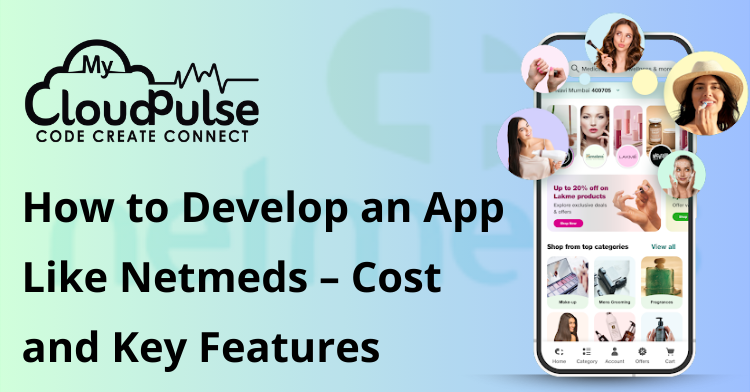
Digital healthcare is no longer a convenience; it has become a necessity. With rising smartphone usage, busy lifestyles, and growing health awareness, consumers increasingly prefer ordering medicines, booking lab tests, and consulting doctors online. Traditional brick-and-mortar pharmacies, while still relevant, are no longer sufficient to meet modern expectations of speed, accessibility, and affordability, which is why many healthcare startups and enterprises are choosing to develop an app like Netmeds to deliver seamless, end-to-end digital healthcare services.
As a Result, shift has paved the way for online pharmacy platforms like Netmeds, which combine medicine delivery, telemedicine, diagnostics, and healthcare content into a single, easy-to-use mobile app. By addressing everyday healthcare needs through a digital-first approach, Netmeds has positioned itself as one of India’s leading e-pharmacy platforms.
For entrepreneurs and healthcare businesses, the demand to develop an app like Netmeds is driven by repeat usage, strong retention, and the opportunity to build long-term trust-based relationships with users. Unlike many consumer apps, healthcare platforms benefit from recurring demand, especially for chronic care patients.
In this blog, we explore:
- Market opportunities and growth statistics
- Core and advanced features of a Netmeds-like app
- The end-to-end development process
- Required team structure
- Monetization strategies and cost considerations
- FAQs to help you plan effectively
Market Stats: Online Pharmacy & Digital Healthcare
In Contrast rise of platforms like Netmeds reflects a broader transformation in healthcare delivery. Consumers increasingly prefer digital channels for medicines, consultations, and diagnostics due to convenience, transparency, and cost efficiency.
Global Market Overview
- At a Scale global digital health market is valued at approximately USD 350–380 billion in 2024 and is projected to cross USD 900 billion by 2030, growing at a CAGR of 16–18%.
- For Creators global online pharmacy market was valued at around USD 90–100 billion in 2023 and is expected to exceed USD 200–220 billion by 2030, driven by home delivery and telemedicine adoption.
- Telehealth and e-pharmacy services have shown a 20–25% YoY growth, even after the pandemic peak.
India Market Opportunity
India is one of the fastest-growing markets for online pharmacy apps.
- India’s online pharmacy market is valued at approximately USD 5–6 billion (2024).
- Expected growth rate: 25–30% CAGR through 2030.
- Over 750 million smartphone users support large-scale adoption.
- Chronic illnesses (diabetes, BP, thyroid) affect 100+ million Indians, creating strong repeat demand.
- Tier-2 and Tier-3 cities contribute 50–55% of new online medicine orders.
YoY Growth & Future Outlook
- Online medicine orders: 20–25% YoY growth
- Subscription-based refills: 30–35% YoY growth
- Integrated healthcare apps (pharmacy + diagnostics + telemedicine) show 40% higher retention than single-purpose apps.
These numbers clearly highlight why startups and enterprises are investing to develop an app like Netmeds.
Core Features Develop an App Like Netmeds
Core features form the backbone of compliance, usability, and trust. For a healthcare app, reliability is more important than novelty.
1. Secure User Registration & Profiles
- OTP-based login via phone number (preferred in India)
- Email login for secondary access
- Multiple profiles under one account (family members, elderly care)
- Secure storage of personal and medical information
2. Medicine Search & Intelligent Discovery
Search by:
- Brand name
- Generic name
- Salt composition
- Health condition
- Auto-suggestions and spelling correction
- Substitute and alternative medicine suggestions
3. Prescription Upload & Management
- Upload prescriptions via camera or file
- Pharmacist verification before order approval
- Prescription history stored securely
- Mandatory compliance for Schedule H / H1 drugs
4. Online Medicine Ordering System
- Add-to-cart functionality
- Dosage, side effects, and usage instructions
- Easy reordering from previous purchases
- Quantity management for long-term medication
5. Delivery & Logistics Management
- Doorstep delivery
- Real-time order tracking
- Scheduled delivery for recurring medicines
- Cold-chain support for temperature-sensitive drugs
6. Payment Gateway Integration
- UPI, debit/credit cards
- Net banking and wallets
- Cash on delivery (region-dependent)
- Invoice generation and GST compliance
7. Medicine Refill & Reminder System
- Automated refill reminders
- Push notifications for dosage schedules
- Subscription prompts for chronic patients
Advanced Features of a Netmeds-Like App
Advanced features help improve engagement, retention, and monetization while creating a complete digital healthcare ecosystem.
1. Telemedicine & Doctor Consultations
- Video, audio, and chat consultations
- Verified doctors across specialties
- Digital prescriptions issued post-consultation
- Appointment scheduling and follow-ups
2. Diagnostic & Lab Test Booking
- Book pathology tests and health packages
- Home sample collection
- Digital lab reports stored in-app
- Preventive health checkups
3. Subscription-Based Medicine Delivery
- Monthly, quarterly, or custom plans
- Automatic refills
- Discounted pricing for subscribers
- High retention for chronic care users
4. AI-Powered Medicine Alternatives
- Suggest generic substitutes with same composition
- Price comparison between brands
- Improves affordability and trust
5. Health Content & Education
- Articles on diseases and medicines
- Preventive healthcare guides
- Post-treatment care instructions
- Improves engagement and SEO visibility
6. Customer Support & In-App Chat
- Order-related support
- Prescription and refund assistance
- Chatbot + human support combination
Development Process: Step by Step
Step 1. Market Research & Compliance Planning
- Identify target regions
- Understand drug regulations
- Define compliance requirements
Step 2. Feature Planning & MVP Definition
- Core pharmacy features
- Prescription handling
- Basic delivery flow
Step 3. UI/UX Design
- Simple, senior-friendly design
- Clear medicine information
- Accessibility-focused navigation
Step 4. Backend Development
- User and order management
- Prescription verification workflows
- Payment and subscription logic
Step 5. Pharmacy & Inventory Integration
- Licensed pharmacy onboarding
- Inventory sync
- Cold-chain management (if required)
Step 6. Mobile App Development
- Android app (priority for India)
- iOS app
- Push notifications and reminders
Step 7. Testing & Security
- Functional and performance testing
- Data security and encryption
- Regulatory compliance checks
Step 8. Launch & Optimization
- Soft launch
- Monitor user feedback
- Scale features gradually
Required Team Structure
Product & Management
- Product Manager
- Project Manager
Design Team
- UI/UX Designer
- Accessibility Specialist (optional)
Engineering Team
Backend Developers
- APIs, prescriptions, payments
Mobile Developers
- Android and iOS
DevOps Engineer
- Cloud infrastructure
- Security and scaling
Healthcare & Compliance
- Licensed pharmacists
- Compliance officers
Operations & Support
- Customer support agents
- Logistics coordinators
Team Size
- MVP: 10–15 members
- Growth: 25–40 members
Monetization Methods Develop an App Like Netmeds
A successful online pharmacy platform depends on recurring, diversified revenue streams. Unlike one-time purchase apps, healthcare platforms benefit from repeat usage, chronic care demand, and long-term customer relationships. Below are the key monetization methods used by Netmeds-like apps.
1. Medicine Sales (Primary Revenue Stream)
Medicine sales form the backbone of revenue.
- Revenue is generated through margin-based pricing on prescription and OTC medicines
- Margins typically range between 10%–25%, depending on medicine category
- High repeat purchase rate, especially for chronic conditions such as diabetes, BP, and thyroid
Why it works:
- Medicines are a non-discretionary purchase
- Predictable demand ensures consistent cash flow
2. Subscription-Based Medicine Refills
Subscription models significantly improve user lifetime value (LTV).
- Monthly or quarterly auto-refill plans
- Discounted pricing for subscribers
- Automated deliveries reduce churn
Benefits:
- Subscription users place 2–3x more orders annually
- Helps forecast demand and manage inventory efficiently
3. Telemedicine & Doctor Consultation Fees
Digital consultations create an additional, high-margin revenue channel.
- Pay-per-consultation pricing
- Subscription healthcare plans (free or discounted consultations)
- Revenue-sharing model with doctors
Common pricing:
- ₹199–₹499 per consultation (India-focused market)
4. Diagnostic & Lab Test Commissions
Lab testing partnerships provide steady ancillary revenue.
- Commission earned per booked test
- Bundled health checkup packages
- Preventive care subscriptions
Why it scales:
- Preventive healthcare demand is rising
- Lab tests often lead to medicine purchases, increasing overall basket value
5. Chronic Care & Disease Management Programs
Targeted programs for long-term conditions generate premium revenue.
- Diabetes, cardiac care, BP, thyroid programs
- Monthly plans including medicines, consultations, and reports
- Personalized health tracking
This model increases retention while improving health outcomes.
6. Brand Promotions & Sponsored Listings
Pharmaceutical companies pay for visibility.
- Sponsored medicine listings
- Featured brand placements
- Seasonal health campaigns
Key advantage:
- Non-intrusive ads maintain user trust
- High relevance improves conversion rates
7. Health Insurance & Partner Integrations
Apps can earn referral commissions through insurance and wellness partners.
- Health insurance referrals
- Wellness programs
- Corporate healthcare tie-ups
This expands revenue without increasing user acquisition costs.
8. Data-Driven Insights (Ethical & Compliant Use)
Aggregated, anonymized data can be monetized responsibly.
- Market insights for pharma companies
- Disease trend analysis
- Prescription behavior reports
Note: Must comply with healthcare data privacy regulations.
9. Delivery & Convenience Fees
Optional charges for premium services.
- Express delivery fees
- Night-time delivery surcharges
- Remote location delivery fees
This helps offset rising logistics costs without affecting core pricing.
10. Cross-Selling & Upselling Healthcare Products
Beyond medicines, apps can sell:
- Health supplements
- Medical devices (glucometers, BP monitors)
- Personal care and wellness products
These products often carry higher margins than prescription medicines.
Why Diversified Monetization Matters
Relying on a single revenue stream increases risk. Netmeds-like apps succeed because they:
- Combine transactional and subscription revenue
- Monetize both users and partners
- Balance affordability with sustainability
A well-structured monetization strategy ensures long-term profitability while maintaining user trust.
Cost to Develop an App Like Netmeds
Development cost depends on features, compliance requirements, and scale.
MVP Development Cost
Includes:
- User registration
- Medicine catalog
- Prescription upload
- Basic delivery flow
💰 $30,000 – $60,000
Mid-Scale App (Most Startups)
Includes:
- Telemedicine
- Subscription system
- Lab test booking
- Admin dashboards
💰 $70,000 – $130,000
Enterprise-Grade Platform
Includes:
- AI-driven recommendations
- Advanced analytics
- Multi-region compliance
- High-scale logistics integration
💰 $150,000 – $300,000+
Ongoing Operational Costs
- Cloud hosting & infrastructure: $3,000–$12,000/month
- Logistics & delivery operations
- Pharmacist salaries & compliance audits
- App maintenance & marketing
Challenges in Building a Netmeds-Like App
1. Regulatory & Compliance Complexity
- Drug licensing
- Prescription verification
- Telemedicine regulations
Non-compliance can result in penalties or shutdowns.
2. Prescription Misuse Prevention
- Fake or reused prescriptions
- Controlled drug abuse risks
Requires strong pharmacist workflows.
3. Logistics & Cold-Chain Management
- Timely delivery of medicines
- Temperature-sensitive drugs
- Last-mile delivery challenges
4. Building User Trust
Healthcare demands trust.
- Authentic medicines
- Transparent pricing
- Secure data handling
5. Data Privacy & Security
- Sensitive health data
- Encryption and access control
- Compliance with data protection laws
6. Balancing Discounts & Profitability
Heavy discounting attracts users but can hurt margins.
Sustainable pricing is essential.
Conclusion
The growth of platforms like Netmeds signals a long-term shift toward digital-first healthcare delivery. Online pharmacy apps are no longer just e-commerce platforms; they are becoming integrated healthcare ecosystems that support prevention, treatment, and long-term care.
For businesses planning to develop an app like Netmeds, the opportunity lies in:
- High repeat usage
- Subscription-driven revenue
- Strong customer lifetime value
- Scalable healthcare services
However, success depends on more than technology. It requires:
- Strict regulatory compliance
- Reliable logistics
- Transparent pricing
- A user experience that builds trust over time
With the right strategy, execution, and partnerships, a Netmeds-like platform can grow into a sustainable, high-impact healthcare business with both social and commercial value.
FAQs
An MVP typically takes 4–6 months, while a full-scale platform may take 8–12 months.
Yes. Online pharmacies must comply with drug and telemedicine regulations.
Yes, by focusing on niche markets, faster delivery, or specialized care.
Subscription-based medicine refills and chronic care programs.
Yes, with region-specific regulatory adaptations.